Prenatal Pilates in NYC: Private Instruction for Pregnancy and Postpartum
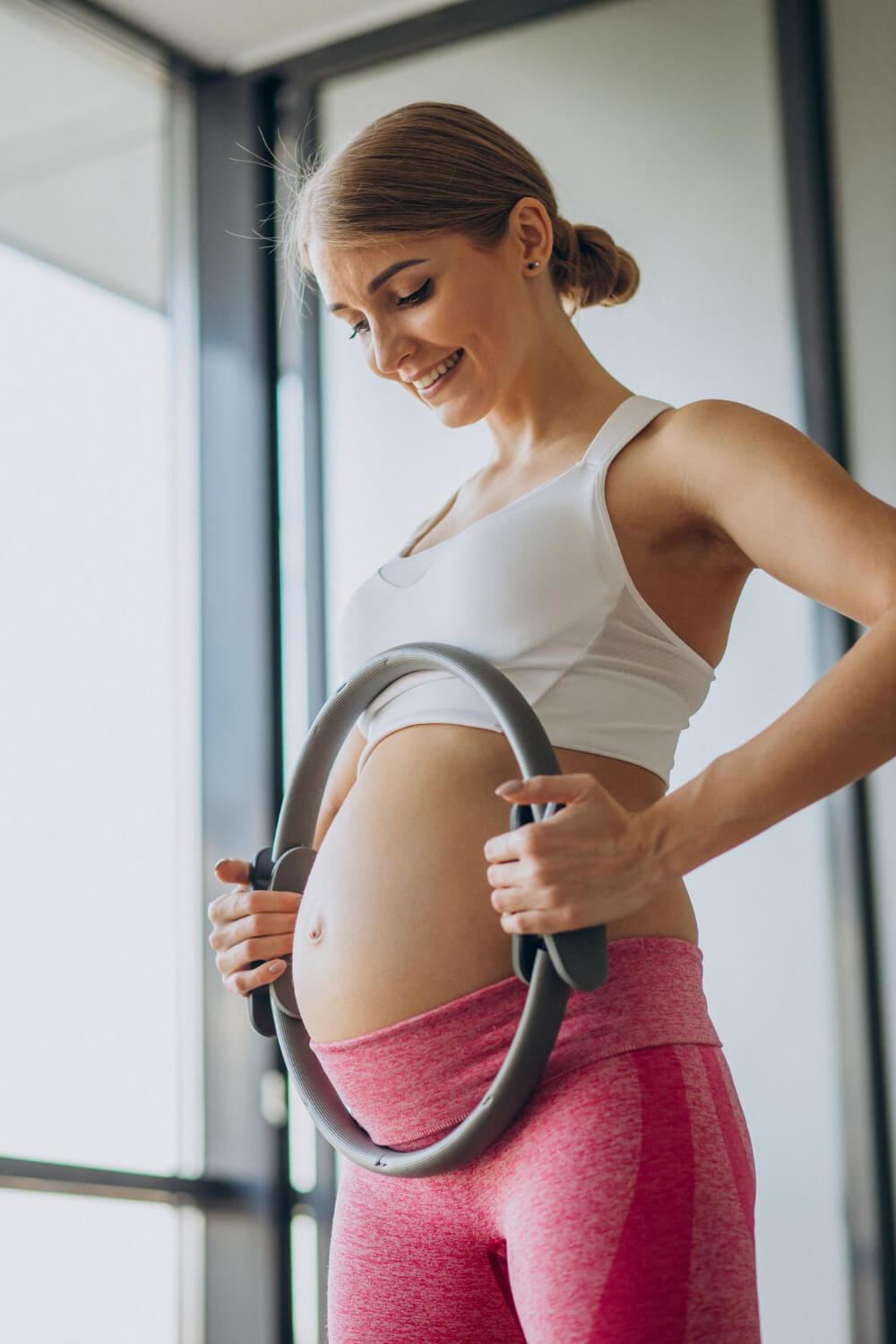
Every person’s body is going through rapid and dramatic shifts throughout the course of their pregnancy. There are major cardiovascular, respiratory, gastrointestinal, and musculoskeletal changes taking place. The majority of these physiological changes occur in the lumbopelvic region where the baby is growing in the uterus, putting a lot of strain on the lower back and pelvic floor. It is so common for pregnant people to experience lower back pain, sacroiliac pain, shoulder discomfort, neck and upper back tightness, and pelvic floor dysfunction. Pilates can directly address these concerns and help to restore more space and balance to the hips and spine while attending to the overall musculoskeletal imbalances in your changing body, leaving you feeling stronger and more limber. Strengthening your abdominal and pelvic floor muscles is the most important thing you can do to support your body during this time.
Practicing pilates during pregnancy is an extremely important tool for maintaining good posture, building abdominal and pelvic floor strength, and preventing and/or managing diastisis recti. Developing and maintaining strong pelvic floor and abdominal muscles throughout pregnancy can be a total game changer for many pregnant people. It can help strengthen your pushing muscles for delivery, and speed up recovery following delivery, as well as managing incontinence.
In my pilates for pregnancy private classes, we do targeted exercises to strengthen deep abdominal and pelvic floor muscles, essential stretches for tight calves, hip, back, neck and shoulder muscles, and perform self massage using therapy balls to release trigger points in the glutes and around the sacrum. In addition, we commonly utilize therabands for resistance training for specific upper back and shoulder muscles to help relieve neck and back pain and improve posture, and employ the pilates apparatus including the cadillac, chair, and reformer to offer a full-body workout with a core focus.
Practicing pilates during pregnancy will leave your body stronger, less tense, and more equipped to handle the rapid physiological changes taking place. In addition, practicing pilates during pregnancy can greatly help you in your recovery after delivery. Having strong abdominal and pelvic floor muscles during pregnancy will make these tissues much easier to rehab and strengthen post partum.
Speaking of post partum, science has shown that despite what doctors say about waiting six weeks before you exercise, pilates for postpartum can and should begin immediately after giving birth. Of course one should wait six weeks to perform cardiovascular exercise, however pelvic floor and abdominal exercises should ideally begin within 24 hrs after delivery as a way to initiate a neuromuscular connection back into the lumbopelvic region and to begin the healing process by creating isometric muscular contractions throughout the deep abdominal and pelvis floor tissues. In addition, specific stretches can also begin immediately postpartum and help to relieve areas of tightness and restriction.
The trauma to a person’s body whether they had a C-section, or a vaginal birth requires immediate attention after delivery that can largely be addressed with specific therapeutic exercises. Working with a skilled Pre/Postnatal pilates teacher can help you begin an appropriate exercise program to retrain your pelvic floor, abdominal, hip, and back muscles to provide essential support to your body as you transition into caretaking of an infant.
In-person sessions are offered on the upper west side of Manhattan. Contact for pricing and details.
Virtual classes are offered on a limited basis.
Frequently Asked Questions
Yes, when taught by someone with specialized prenatal training. Pilates is widely recommended during pregnancy for its emphasis on breath, core strength, and low impact controlled movement. I have completed in depth training in prenatal and postpartum exercise physiology and adapt every session to your trimester, your symptoms, and how you are feeling on any given day. I also coordinate with your OB or midwife when appropriate.
You can begin at any point during pregnancy, including the first trimester, as long as your OB or midwife has cleared you for exercise. For clients who are new to Pilates, the second trimester is often the most comfortable time to start. Every pregnancy is different, and I tailor sessions accordingly no matter when you begin.
Diastasis recti is a separation of the rectus abdominis muscles along the midline of the abdomen, which is extremely common during pregnancy as the uterus expands. Pilates, practiced correctly, is one of the most effective ways to both prevent excessive separation during pregnancy and to begin safely reconnecting and strengthening the abdominal wall postpartum. I assess for diastasis in my sessions and adjust exercises accordingly throughout pregnancy and after delivery.
Yes, with appropriate timing and modification. While certain exercises are contraindicated in the early weeks following a C section, gentle pelvic floor work and breathing exercises can often begin quite soon after delivery. As healing progresses, we gradually reintroduce more movement. I am experienced in working with postpartum clients recovering from both vaginal birth and C section, and I always design sessions around where you are in your recovery.
Gentle pelvic floor and breathing exercises can begin within 24 hours of delivery, well before the conventional six week waiting period, which applies specifically to cardiovascular exercise. Beginning early helps re establish neuromuscular connection in the pelvic region and supports tissue healing. I offer postpartum sessions that meet you wherever you are, whether that is one week after delivery or six months.